
CR-05 Liquid Flame-Retardant Rubber: A Functional Material for Industrial Polymer Formulations
What Is Liquid Flame-Retardant Rubber?
Rubber and polymer materials are widely used in industrial equipment, transportation, electrical components, construction materials, sealing systems, and composite products.
In certain applications, flexibility and processing performance alone are not sufficient. Flame-retardant behavior may also become an important part of the material-design requirements.
Liquid flame-retardant rubber is a functional rubber material supplied in liquid form and can be evaluated in formulations where flame-retardant performance is required.
Compared with conventional solid rubber materials, a liquid form can provide additional flexibility during formulation, blending, ratio adjustment, and laboratory evaluation.
CR-05 is one representative grade within this material category.
Introducing CR-05 Liquid Flame-Retardant Rubber
CR-05 is a liquid flame-retardant rubber material intended for industrial formulation development.
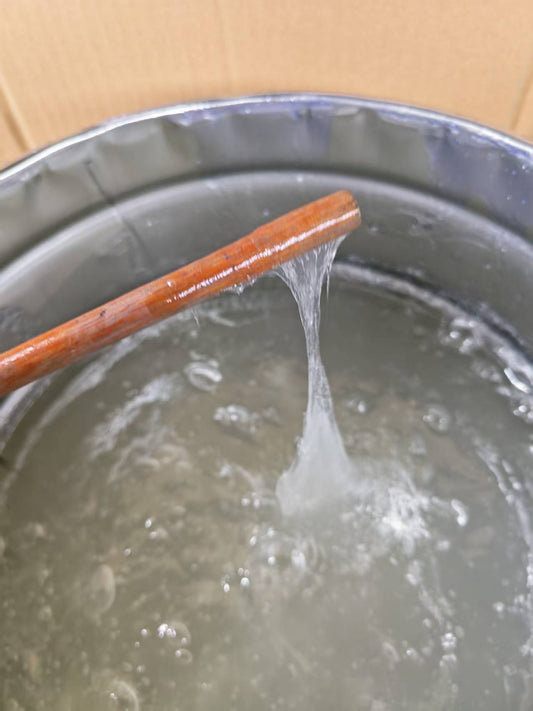
Its appearance shows a light-yellow, viscous liquid form, providing a clear visual indication of its physical characteristics.
Basic Product Information
- Product Name: Liquid Flame-Retardant Rubber
- Grade: CR-05
- Form: Liquid
- Category: Functional Rubber Material
- Primary Direction: Flame-Retardant Rubber and Polymer Formulation Development
- Sample Packaging: 0.5 KG per bottle as shown
- Commercial Supply: Industrial packaging options for bulk transportation and production

Why Does Flame-Retardant Performance Matter?
Rubber and polymer materials may perform functions such as sealing, cushioning, insulation, protection, vibration control, and structural support.
However, performance requirements vary significantly depending on the operating environment.
For products used near heat sources, electrical equipment, or applications governed by specific safety requirements, material flammability can become an important consideration during formulation development.
Material designers therefore often need to balance several properties:
- Flexibility;
- Elasticity;
- Flame-retardant performance;
- Processing behavior;
- Mechanical properties;
- Material compatibility;
- Environmental suitability;
- Cost and production efficiency.
Flame-retardant rubber materials provide formulators with an additional option when developing these specialized material systems.
Formulation Flexibility Through a Liquid Material Form
One of the most visible features of CR-05 is its liquid form.
Depending on the formulation system, this form may provide practical flexibility in material development.
Potential advantages to evaluate include:
- Convenient adjustment of component ratios;
- Suitability for formulations requiring a liquid rubber component;
- Practical use in laboratory trials and formulation screening;
- Combination with other rubbers, resins, or functional additives;
- Greater flexibility when studying the balance between flame-retardant performance and other material properties.
Actual addition levels, processing conditions, compatibility, and final performance should be determined through technical data and formulation testing.

Where Can CR-05 Be Evaluated?
Different rubber and polymer systems have different requirements, so suitability should always be confirmed through application testing.
CR-05 may be evaluated in areas such as:
1. Flame-Retardant Rubber Products
For rubber formulations where improved flame-retardant characteristics are required.
2. Polymer Modification
For formulation development involving combinations with polymers, resins, rubbers, or other functional additives.
3. Sealing and Elastomeric Materials
For selected flexible material systems where both elastomeric performance and flame-retardant behavior need to be considered.
4. Industrial Composite Materials
As one functional component within multi-material polymer and rubber formulations.
5. Specialty Industrial Materials
For electrical, industrial, or other applications with specific flame-retardant requirements.
Note: Specific flame-retardant ratings, recommended dosage, compatible base materials, and processing parameters should be confirmed using the official TDS, relevant test reports, and application-specific formulation trials.
More Flame-Retardant Material Is Not Always Better
Flame retardancy is only one part of the overall performance profile of a polymer formulation.
Improving one property may influence other characteristics, so formulation development requires a balanced approach.
Important factors include:
Material Compatibility
The rubber, resin, and functional additives should work effectively within the same formulation system.
Addition Level
An appropriate dosage must be established for the specific material system.
Processing Performance
The final formulation should remain compatible with the intended manufacturing process.
Mechanical Properties
After modification, properties such as flexibility, tensile behavior, hardness, and impact performance may also need to be evaluated.
End-Use Requirements
Different industries may use different flame-retardant test methods and acceptance criteria.
A practical development process is therefore:
Define Targets → Select Materials → Conduct Formulation Trials → Test Performance → Optimize the Formula → Scale Up Production
From Sample Evaluation to Industrial Supply
Industrial raw-material purchasing often begins with laboratory evaluation before moving to commercial-scale supply.
CR-05 can be evaluated using sample quantities during the early formulation stage. Once compatibility and performance have been confirmed, purchasing can move toward larger-volume industrial supply according to production requirements.
This approach allows formulators to verify material suitability before committing to scale-up.

How to Select the Right Flame-Retardant Rubber Material
When selecting a flame-retardant rubber or functional polymer material, several factors should be considered.
Base Material System
Identify the rubber, resin, or composite system that will be modified.
Flame-Retardant Target
Define the required performance target and relevant test standard for the final product.
Processing Method
Mixing, coating, casting, and other manufacturing processes may require different material characteristics.
Overall Performance
In addition to flame retardancy, consider:
Flexibility · Elasticity · Strength · Hardness · Compatibility · Processability · Service Temperature
Formulation Validation
Application testing remains essential when evaluating any functional material.
From CR-05 to a Broader Flame-Retardant Rubber Portfolio
CR-05 represents one grade within our Flame-Retardant Rubber Materials portfolio.
As industries continue to demand higher levels of material safety and functionality, different base materials, processes, and end-use environments require increasingly specialized material solutions.
A broader product portfolio can provide additional grades for different formulation requirements.
Material selection should therefore be based on:
Base Polymer · Processing Method · Flame-Retardant Requirement · Mechanical Performance · Service Environment
rather than relying on a single grade alone.
Looking for a Flame-Retardant Rubber Material for Your Formulation?
If you are developing rubber products, polymer compounds, industrial composites, or other materials where flame-retardant performance is an important consideration, contact us to learn more about CR-05 Liquid Flame-Retardant Rubber and related products.
We can provide further information regarding:
TDS · Samples · Packaging · Bulk Purchasing · Application Direction · Material Selection
and discuss suitable options based on your base material and target performance.
CR-05 Liquid Flame-Retardant Rubber — More options for functional flame-retardant polymer formulation.
Tags: