
LR306 Liquid Cold-Resistant Rubber: A Flexible Material Solution for Low-Temperature Applications
What Is Liquid Cold-Resistant Rubber?
As rubber, plastics, adhesives, and composite materials are increasingly used across diverse environments, some applications require materials to retain suitable flexibility and performance under lower-temperature conditions.
Liquid cold-resistant rubber is a flowable rubber material that offers a different processing form from conventional solid rubber.
Because of its liquid state, it can provide greater flexibility in formulation design, material blending, and industrial processing.
LR306 is one representative grade within this category and can be considered for formulations where low-temperature flexibility and processing characteristics need to be evaluated or adjusted.

Introducing LR306 Liquid Cold-Resistant Rubber
LR306 is a liquid cold-resistant rubber material supplied for industrial formulation and processing applications.
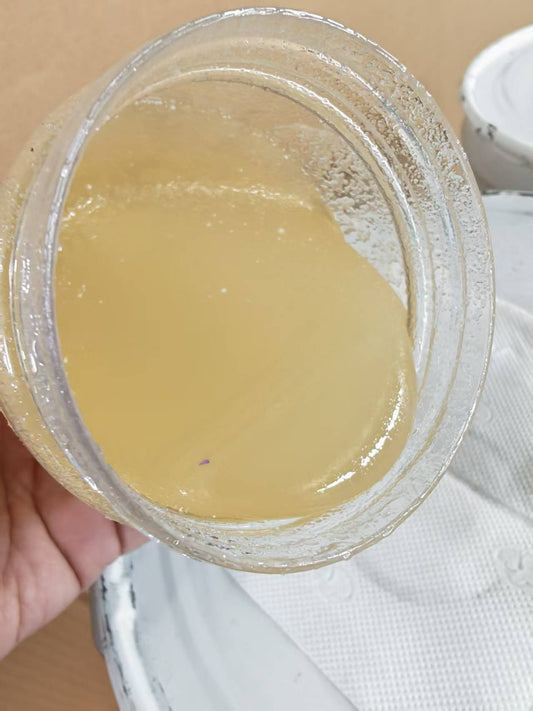
Its physical appearance shows a distinctly viscous and flowable material form, making it suitable for formulations that require a liquid rubber component.
Basic Product Information
- Product Name: Liquid Cold-Resistant Rubber
- Grade: LR306
- Form: Liquid
- Packaging: 20 KG per drum
- Category: Cold-Resistant Rubber Material
- Application Direction: Industrial rubber and polymer formulations

Why Does Low-Temperature Performance Matter?
Temperature can significantly affect the physical behavior of polymer and rubber materials.
Under lower-temperature conditions, some conventional materials may experience reduced flexibility, increased stiffness, or changes in elasticity.
For products used in cold climates, winter environments, or specialized low-temperature operating conditions, the selection of suitable rubber materials can therefore become an important part of formulation development.
Cold-resistant rubber materials provide formulators with an additional option when designing products intended for such environments.
LR306 combines this application direction with a liquid material form, making it relevant for industrial formulations where both processing flexibility and low-temperature material behavior are being considered.
Formulation Flexibility Through a Liquid Material Form
One of the most visible characteristics of LR306 is its liquid form.
Compared with conventional solid or pelletized rubber materials, liquid rubber can provide additional flexibility during formulation and processing.
Depending on the formulation system, it may offer advantages such as:
- Easier incorporation into multi-component formulations;
- Suitability for systems requiring a liquid rubber component;
- Flexible adjustment of material ratios during formulation development;
- Convenience for laboratory testing and industrial-scale production;
- Potential integration with other polymers, rubbers, and functional additives.
Actual addition levels, processing parameters, and compatibility should always be determined through formulation testing and relevant technical data.
Industrial Packaging for Commercial Applications
Packaging is an important consideration for industrial raw materials because it affects storage, transportation, handling, and production efficiency.
LR306 is supplied in 20 KG industrial drums, making it suitable for formulation trials, scale-up testing, production batches, and regular industrial purchasing.

Inner Packaging and Material Protection
For liquid rubber materials, maintaining package integrity during transportation and storage is particularly important.
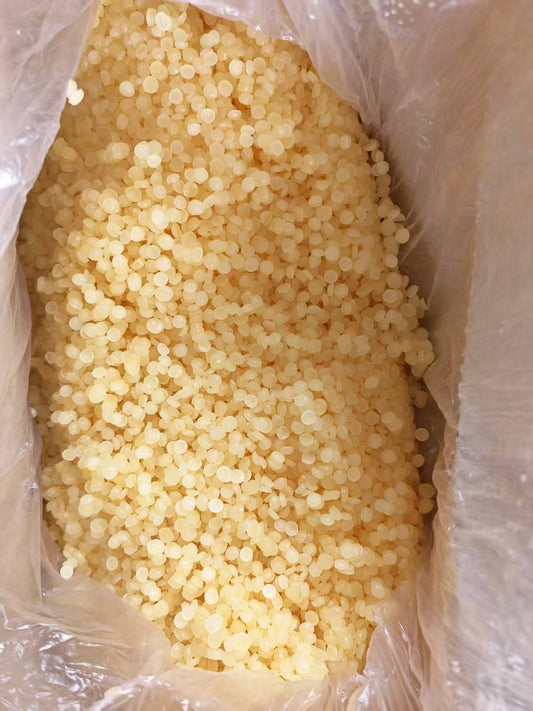
The packaging shown for LR306 includes internal protective packaging in addition to the outer container, helping to support cleaner handling and reduce the risk of contamination or leakage during transportation.

Where Can LR306 Be Evaluated?
Liquid cold-resistant rubber may be considered as a functional raw material in a variety of rubber and polymer formulation systems.
Potential development directions include:
Rubber Products
For formulations where low-temperature flexibility or rubber performance requires further optimization.
Polymer Modification
For research and formulation development involving combinations with other polymers or functional materials.
Industrial Composite Materials
As a rubber component within multi-material formulation systems.
Adhesive and Sealing Systems
For selected adhesive, sealing, or elastomeric systems where low-temperature flexibility may be an important consideration.
Specialty Industrial Materials
For products intended for cold climates or industrial environments with specific low-temperature requirements.
Performance requirements, addition levels, processing conditions, and compatibility vary significantly between formulations. Technical data and application testing should be used to confirm suitability before commercial use.
How to Select the Right Cold-Resistant Rubber Grade
Different applications require different material characteristics.
When selecting a cold-resistant rubber material, formulators should consider factors such as:
- Expected service temperature;
- Base polymer or rubber system;
- Required flexibility and elasticity;
- Processing method;
- Compatibility with other raw materials;
- Addition ratio;
- Cost and production requirements;
- Final mechanical performance targets.
Rather than selecting a material based on a single property, a more reliable approach is to evaluate the grade within the complete formulation and intended application environment.
From LR306 to a Broader Cold-Resistant Rubber Portfolio
LR306 represents one product within our broader Cold-Resistant Rubber Materials range.
As industrial applications continue to demand more specialized polymer performance, additional grades and material forms can provide formulators with greater flexibility when developing products for different environments and processing conditions.
Whether your project involves rubber products, polymer modification, industrial composites, sealing materials, or other low-temperature applications, selecting the right rubber material should always begin with the specific requirements of the formulation.
Looking for a Cold-Resistant Rubber Material for Your Formulation?
Every formulation has different requirements.
If you would like more information about LR306 Liquid Cold-Resistant Rubber, including technical specifications, packaging, samples, purchasing information, or material selection for a specific project, please contact us.
We can discuss your requirements based on:
Application · Base Material · Processing Method · Target Performance · Purchase Quantity
and help identify a suitable material option for further evaluation.
LR306 Liquid Cold-Resistant Rubber — More flexibility for industrial low-temperature material formulations.
Tags: